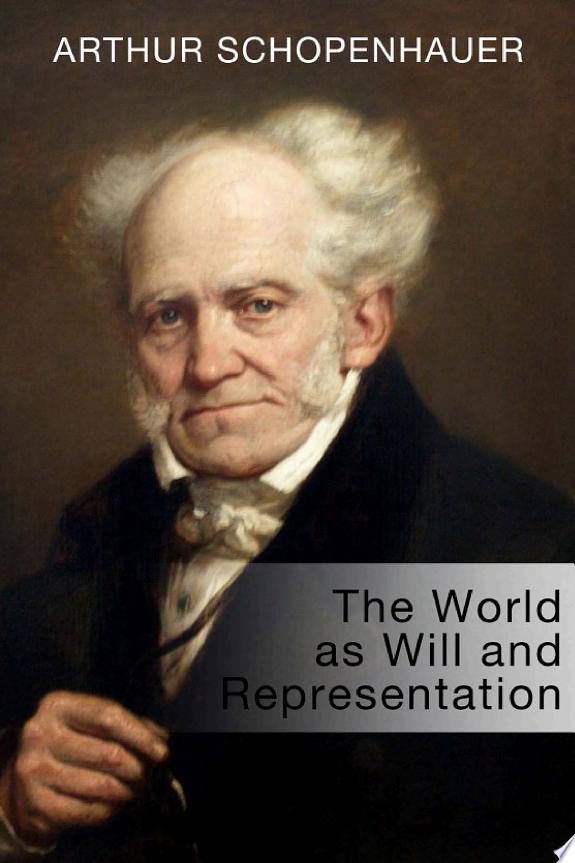
The World as Will and Representation
Embed this book card on your site
Publisher description
What if the entire universe operates according to a single, fundamental principle that governs both human suffering and artistic beauty? Arthur Schopenhauer's masterpiece presents his revolutionary theory that will serves as the underlying force of all existence, while representation constitutes our perceived reality. This groundbreaking work bridges Kantian idealism with Eastern philosophy, exploring how humans can transcend suffering through art, ethics, and ascetic practices. Written before the philosopher turned thirty and refined over decades, this treatise examines metaphysics, aesthetics, ethics, and the nature of human knowledge. Schopenhauer draws from Indian philosophy, particularly Buddhism and Hinduism, creating a unique synthesis of Western and Eastern thought. Essential reading for philosophy students, scholars of German idealism, and anyone seeking to understand the philosophical foundations that influenced Nietzsche, Wagner, and countless thinkers who followed.
Description provided by Google Books